

What we heard at Philanthropy Australia: The work is changing. The support behind it needs to change too.
What does it take to put more behind the people doing good work?
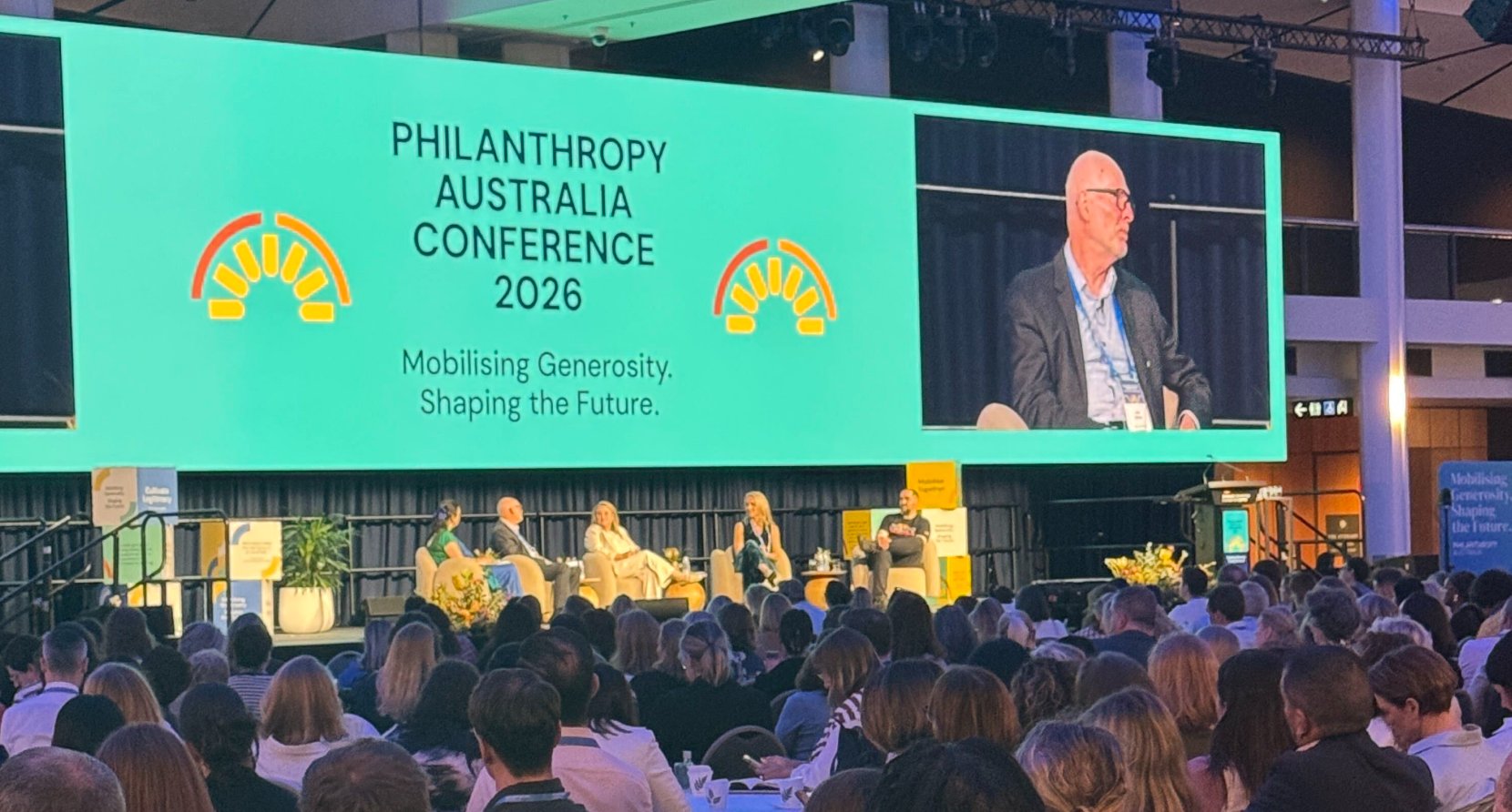
Three days at the Philanthropy Australia Conference. 1,200 people. A lot of big questions.
- How do we fund differently?
- How do we build stronger organisations?
- How do we respond to exponential change?
- And how do we make sure the people doing the work have what they need to keep doing it?
One thing came through clearly: the work is changing, and our approaches to supporting organisations must change with it.
John McLeod, Senior Research Consultant at JBWere, shared a striking picture of the sector’s economics. NFPs operate on around a 4% profit margin. Remove philanthropic support and that drops to -3%. Remove volunteering too and it falls to -10%.
The message is hard to ignore. The organisations delivering social outcomes need more than funding for the work itself. They need investment in the people, capabilities and organisational foundations that make the work possible.
That came up again in conversations about AI. AI adoption is as much a question of people, capability and confidence as it is of technology. It is a people question. A capability question. A confidence question. Organisations need to understand where AI can genuinely help, where the risks sit and what their people need to make the shift.
Trista Harris, President at FutureGood, challenged funders to stop loving the problem. In a world of exponential change, she argued, we cannot wait until every investment feels safe or every answer is known.
That idea stayed with us.
So did Cherie Heslington’s, Chief Executive Officer at Aarnja, reminder that shaping the future requires us to do more than repeat what we do today. She spoke about reframing philanthropy as a responsibility to redistribute resources and invest in communities rather than viewing funding as charity. Showcasing that genuine partnerships require a willingness to listen, learn over time, and build relationships grounded in mutual trust and respect.
At Benefolk’s conference breakfast, we explored one practical response: giving funders and organisations a clearer, shared picture of organisational capability and the pressures acting on it. The conversation reinforced how much appetite there is to look beneath reported outcomes and understand what organisations need to stay strong.
Several funders were keen to keep that conversation going and help shape this emerging approach. For us, that was one of the most encouraging outcomes of the week: a willingness to move from talking about organisational capacity to building better ways to understand and support it.
Perhaps that is the bigger opportunity for the sector: to back the organisations, people and ideas that can change what comes next, as well as the work they are delivering now.
Being in the room mattered. Funders, charities, researchers, community leaders and people working on the ground brought different experiences to a shared question: what do we need to put behind good organisations now, so they are stronger for what comes next?
We’re continuing to listen beyond the conference. Through Benefolk’s Voice of the Leaders survey, we’re asking purpose-sector leaders about the pressures they face, the capabilities they need and the support that would make the greatest difference. Their perspectives will inform a report to help bring greater intelligence to the conversation with funders and philanthropists.
If you lead a purpose-sector organisation, please take five minutes to add your voice. If you’re a funder, please share the survey with the organisations you support.


